

Sedation Dentistry in Delray Beach, FL
Sedation dentistry in Delray Beach, Florida, is designed to make dental care more comfortable for patients who feel anxious, have a strong gag reflex, or need lengthy treatment. This page explains how dental sedation works, common options, safety considerations, and what to expect before, during, and after your visit.
Sedation Dentistry Explained
Sedation dentistry uses medication to help patients relax during dental procedures. It ranges from minimal relaxation to deeper levels of calm while you remain responsive. Common options include nitrous oxide, oral conscious sedation, and, in certain cases, intravenous (IV) sedation.
Nitrous oxide offers quick, adjustable relaxation through a small nose mask. Oral sedation uses a prescribed pill to reduce anxiety before and during your visit. IV sedation provides a deeper level of relaxation and is titrated in real time by the clinical team.
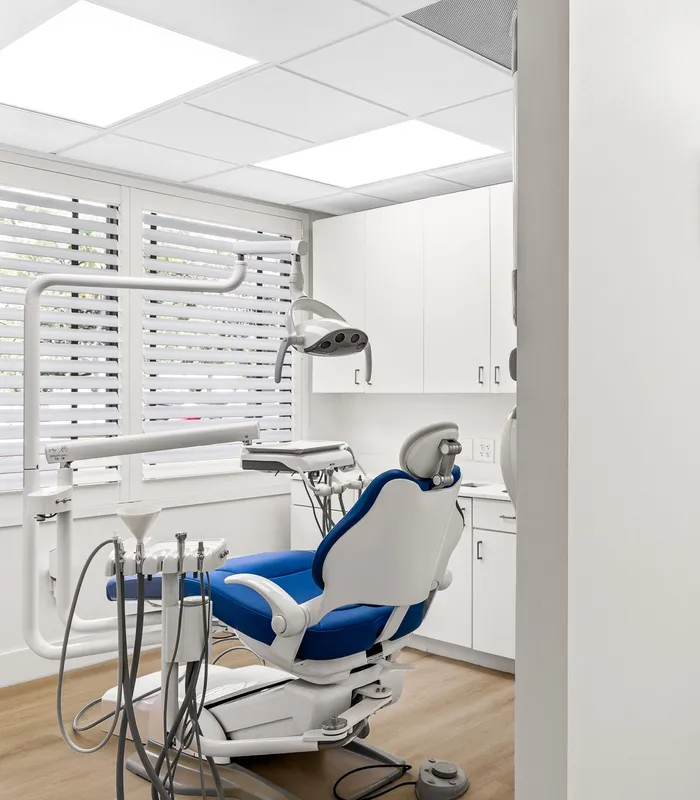
Sedation can be considered for routine cleanings, fillings, crowns, extractions, and implant-related care, especially when multiple steps are planned in one appointment. It is also helpful for individuals with dental anxiety, previous traumatic experiences, difficulty getting numb, or conditions that make it hard to sit still.
How Sedation Dentistry Can Help You
- ✓Reduces dental anxiety so you can receive needed care comfortably.
- ✓Minimizes awareness of sounds, smells, and time in the chair.
- ✓Improves tolerance for longer or combined procedures.
- ✓Helps manage strong gag reflexes and dental sensitivity.
- ✓Supports efficient appointments with fewer visits in some cases.
- ✓Enhances comfort while maintaining safety monitoring throughout.
Nervous About Dental Work?
Ask about our sedation options for a comfortable, stress-free visit.
Your Sedation Dentistry Journey
Consultation and Screening
The process starts with a consultation to review your medical history, current medications, and treatment goals. A health review helps determine who is a candidate for sedation dentistry and which option may suit your needs.
Day of Treatment
For nitrous oxide, a small mask delivers a blend of gas and oxygen. For oral sedation, you take a prescribed medication before your visit. For IV sedation, medication is given through a small catheter and adjusted during the procedure.
Monitoring and Safety
Throughout any form of sedation, your breathing, pulse, blood pressure, and comfort are checked regularly. Dosing is tailored to your needs, and oxygen support is available as indicated.
What to Expect Before and After Sedation
Before your appointment, you will receive instructions specific to your sedation type. For oral or IV sedation, you may be asked to avoid food and certain liquids for a set period. Comfortable clothing and minimal jewelry are recommended. Plan for a trusted adult to accompany you and drive you home.
After your visit, you may feel drowsy and should rest for the remainder of the day. Most people can resume normal activities the next day unless directed otherwise. Side effects such as mild grogginess or temporary memory gaps can occur and typically resolve within hours.

If you have questions about how long dental sedation lasts, is sedation dentistry safe, or which option is best for your situation, a conversation with the clinical team can clarify your choices and outline a plan that fits your treatment timeline.
We Can't Wait to See You!

Frequently Asked Questions
Yes. When delivered with appropriate screening and monitoring, sedation dentistry has a strong safety record. Your medical history and medications are reviewed to reduce risks.
Most dental sedation is not general anesthesia. You remain responsive but relaxed. Many patients remember little of the appointment and feel calm throughout.
The choice depends on your health, anxiety level, and the procedure. Common options include nitrous oxide, oral conscious sedation, and IV sedation when indicated.
Nitrous oxide wears off within minutes after the mask is removed. Oral and IV sedation effects can last several hours, so plan for rest the remainder of the day.
Instructions vary by sedation type. For oral or IV sedation, fasting guidelines are common. You will receive exact directions before your appointment.
Certain medical conditions, medications, or pregnancy may limit sedation choices. A careful evaluation helps determine the safest approach for your needs.